

casino blackjack game in 2026: the essentials
casino blackjack game remains one of the most popular table games in casinos worldwide. Players often seek to improve their chances by learning basic blackjack game winning.
online blackjack casino canada 2026 — online blackjack canada 2025
See also:
- Why blackjack game house edge Matters in Online Casinos
- What to Look for in a blackjack game winning Deal
- Top Blackjack Bonus Offers and Terms
- Everything You Need to Know About blackjack game house edge
- RTP Comparison of Popular Blackjack Variants
- Visual Guide to Online Blackjack Gameplay
- Can I get blackjack game house edge?
- How to Recognize Problem Gambling in Blackjack 2026
Why blackjack game house edge Matters in Online Casinos
casino blackjack game remains one of the most captivating table games in casinos worldwide, blending skill, strategy, and a touch of chance. In 2026, the game continues to evolve with new rule variations and side bets that add layers of complexity, making blackjack game house edge a vital construct for players to understand. The interplay between player decisions and dealer outcomes creates a dynamic environment where each hand demands deliberate consideration of probabilities and risk. Modern casinos have introduced electronic displays that caterpillar tread historical outcomes and betting patterns, allowing players to refine their approaches in real time. The psychological aspect of casino blackjack game is equally important, as players must manage their emotions and funds while reading opponents at the table offering. Advanced strategies now incorporate elements of game theory, with some players using computer-assisted analysis to optimize their play. The social dimension remains strong, with tables often becoming hubs of camaraderie and competition. Dealers are trained to maintain a brisk step while ensuring fairness, and many casinos offer tutorials for newcomers. The rise of online platforms has also influenced land-based play, with cross tables that combine physical cards with digital betting interfaces. blackjack game winning specifically refers to the ability to adapt to shifting odds and table conditions, a skill that separates casual players from serious enthusiasts. In tournaments, participants must balance hostility with precaution, wise to when to press an advantage and when to plica. The best players grow an intuitive sense of the game’s rhythm, anticipating dealer tendencies and card distribution patterns. Side bets like insurance and pair-plus have grown in popularity, offering higher payouts at increased risk. Casinos continuously test new variants to attract younger demographics, such as speed rounds and multi-hand formats. The mathematical foot of casino blackjack game involves complex probability calculations, with optimal play reducing the house edge to under 1% in some versions. Understanding blackjack game house edge requires studying basic strategy charts and deviation indices, which are now uncommitted as mobile apps. Professional players often keep elaborate records of their sessions, analyzing wins and losses to identify weaknesses. The game’s chronicle dates backward centuries, but its appeal endures through constant innovation and version. In 2026, live-streamed tables allow remote participants to join real-time games, blurring the line between physical and digital experiences. The sensory elements—the shuffle of cards, the clink of chips, the murmur of conversation—create an immersive atmosphere that cannot be replicated. For many, casino blackjack game is not simply a game but a examine of character, revealing how individuals handle success and adversity. The integration of artificial intelligence in training tools has accelerated learning curves, enabling novices to achieve competence faster. However, the human element remains paramount, as intuition and interpersonal skills still play a role at the felt. Responsible gambling initiatives have become more prominent, with casinos offering self-exclusion programs and limit-setting features. The community of casino blackjack game enthusiasts is global, connected through forums, podcasts, and live events.
online betting and casino 2026 — online casino wager
What to Look for in a blackjack game winning Deal
Understanding the Basics of Blackjack
At its core, blackjack is a card game where players aim to beat the dealer by having a helping hand value closer to 21 without exceeding it. List cards are worth their face value, face cards (Jack, Queen, King) are worth 10, and Aces can count as either 1 or 11. The game begins with each player receiving two cards, while the dealer also gets two cards—ane face up and one face down. Players then decide whether to ‘hit’ (have another card) or ‘stand’ (hold their current hand). Additional options include ‘double down’ (doubling the bet in exchange for one more card), ‘split’ (if the first two cards have the same value, they can be split into two separate hands), and ‘surrender’ (forfeit half the bet and end the paw). The dealer must hit until they reach 17 or higher. The player wins if their mitt is closer to 21 than the dealer’s, or if the dealer busts (exceeds 21). A natural blackjack (an Ace and a 10-value card) pays 3:2, while a standard win pays 1:1. Understanding these basics is crucial because they organize the foundation for all strategic decisions. For instance, knowing that a soft mitt (containing an Ace counted as 11) gives you flexibility to hit without busting can influence your choice to double downwardly. Similarly, the dealer’s upcard is a key factor in: a dealer showing a 6 is more likely to bust, so you might stand on a bring down total than usual. The game’s simplicity belies its depth, as each conclusion interacts with the probabilities of the remaining cards in the deck.
Common Variants and Their Rules
Beyond the classic version, several blackjack variants are sought-after in UK online casinos. European Blackjack uses two decks and does not allow the dealer to peek for blackjack until after the player’s actions, which slightly changes strategy. Atlantic City Blackjack typically uses eight decks and offers late surrender. Pontoon, a British favourite, uses different terminology—’twist’ for hit, ‘stick’ for stand—and the dealer’s cards are both face downward, with the aim being to have five cards without busting (a ‘five-card trick’). Other variants include Blackjack Switch, where players can swap cards between two hands, and Perfect Pairs, which adds a side bet on the first two cards forming a pair. Each variant has its own localize of rules that affect the house edge, so it is crucial to infer them before playing. For object lesson, in European Blackjack, the deficiency of a dealer peek way you power play differently when the dealer shows an First-rate, as you could lose both your archetype bet and any additional bets if the dealer has blackjack. In Pontoon, the five-card trick offers a higher payout but requires a different approach to hitting and standing. Side of meat bets like Perfect Pairs supply excitement but add up with a higher house edge, so they should be used sparingly. Knowing these nuances allows you to adapt your strategy and choose variants that offer the best odds for your playing style.
casino 2020 login — what to know 2026 | casino 2020 login
RTP, House Edge, and Basic Strategy
The getting even to player (RTP) for blackjack can exceed 99% when played with optimal strategy, making it ace of the most player-friendly casino games. The house edge, typically between 0.5% and 2% depending on the rules, is determined by factors like the number of decks, whether the dealer hits or stands on soft 17, and the availability of doubling down after splitting. Basic strategy is a mathematically derived set of decisions that minimises the house edge. It tells you when to hit, tie-up, forked push down, or stock split based on your hand and the dealer’s upcard. For example, you should always stand on a hard 17 or higher, and always hit on a hand of 11 or less. Mastering basic strategy is essential for any serious player. Many online resources and strategy charts are available to facilitate you memorise the correct plays. Additionally, understanding the impact of ruler variations is key: for instance, a dealer who stands on soft 17 gives the player a slight advantage, while one who hits increases the house edge. Similarly, being able to forked downwards after splitting can improve your expected value in certain situations. By internalising canonic strategy, you can reduce the house edge to its minimum and play with confidence.
Live Blackjack and Online Gameplay
Live blackjack brings the casino experience to your screen, with a real dealer streaming from a studio and allowing you to interact via chat. This arrange uses standard rules but often includes face bets like ’21+3′ or ‘Insurance’. The RTP for live blackjack is usually slightly lower than its virtual counterpart due to slower play and higher operating costs, but the immersive experience compensates for many players. Web-based blackjack, on the other hand, is automated with random number generators (RNGs) ensuring fair outcomes. RNG blackjack offers faster play, lower minimum bets, and often better RTP. When choosing where to play, looking for UKGC-licensed casinos that display their game providers and RTP percentages. Always set a budget and sting with it, and remember that blackjack is a game of skill where the right decisions can significantly improve your chances of winning. For example, in live dealer blackjack, you can maintain the dealer’s physical actions and the shoe, which some players come across adds to the authenticity. In RNG blackjack, the speed allows for thomas more hands per hour, which can be advantageous if you are using a solid strategy.
Top Blackjack Bonus Offers and Terms
- 75% match bonus
- 25 free spins no wagering
- 125% + 500 free spins
- 45x turnover in 30 days
- 35x turnover
Everything You Need to Know About blackjack game house edge
Basic Rules and Objective
Blackjack, often known as 21, is a staple fibre of casino gaming both internet and in land-based venues crossways the UK. The primary objective is straightforward: achieve a hand value higher than the dealer’s without exceeding 21. Cards are valued as follows: numbered cards retain their face value, face cards (Jack, Queen, King) are worth 10, and an Ace can be counted as either 1 or 11, depending on which benefits the hand thomas more. Each player receives two cards initially, as does the dealer, though one of the dealer’s cards is typically face up. Players then hold several options: hit (take another card), stand (keep their current paw), double down (double the archetype bet and receive exactly one more card), split up (if the first two cards are of equalize value, separate them into two hands and play each independently), or surrender (forfeit half the gamble and end the hand). The dealer must follow a frozen set of rules: they must collide with on a manus total of 16 or less and place upright on 17 or more, including a soft 17 (a hand containing an Ace counted as 11 that totals 17). Understanding these fundamentals is crucial before delving deeper into strategy or variant nuances.
Popular Blackjack Variants in the UK
While the classic version of blackjack is widely available, UK players will encounter several popular variants that introduce twists to the standard rules. European Blackjack is a usual variance where the dealer receives only one card face up initially and does not receive a second card until after players have acted. Additionally, players cannot surrender, and the dealer typically stands on subdued 17. Another favourite is Blackjack Switch, where players are dealt two hands and may swap the top two cards between them, offering thomas more strategic flexibility but often at the cost of a higher house edge due to the dealer’s pushing on 22. Pontoon, a British variant, uses different language: the aim is to achieve a ‘pontoon’ (an Ace and a 10-value card) which pays better than a fixture blackjack, and the dealer’s cards are both dealt face downwardly. Spanish 21 removes all 10s from the deck, increasing the house edge, but compensates with bonus payouts for certain hands like 6-7-8 or 7-7-7. For those seeking a faster pace, Speed Blackjack and Infinite Blackjack are online adaptations that allow multiple players to join a single dealer hand, with rounds completing quickly. Each variant adjusts the house edge and strategy slightly, so players should familiarise themselves with the specific rules before playing.
RTP, House Edge, and Basic Strategy
Return to Player (RTP) and house edge are fundamental concepts that directly impact a player’s long-term outcomes. In blackjack, the RTP can vary significantly based on the ruleset. A standard game with favourable rules—such as a single bedight, dealer standing on soft 17, and blackjack paying 3:2—can provide an RTP of around 99.5% when using perfect canonical strategy, translating to a house edge of merely 0.5%. Nonetheless, rule variations like a 6:5 blackjack payout, the dealer hitting on soft 17, or allowing surrender only when after the dealer checks for blackjack can push the house edge higher, sometimes supra 1%. Canonic strategy is a mathematically derived set of decisions that minimises the house edge. It dictates when to hit, stand, two-fold, split, or surrender based on the player’s hand add together and the dealer’s upcard. For instance, a player should always split Aces and 8s, never split 10s or 5s, and double down on 11 against a dealer’s 2-10. Many UK online casinos offer free blackjack games or strategy charts to help players grasp. Employing basic strategy consistently is the most effective way to reduce the house edge and maximise potential returns over time. It is important to note that while canonical strategy optimises play, it does not guarantee wins in the short term due to the inherent variance of the game.
Live Blackjack and Online Gameplay
Live blackjack has revolutionised online casino gaming by bringing the veritable casino experience directly to players’ screens via high-definition video streams. Hosted by professional dealers in real-time, these games use physical cards, shuffling machines, and traditional tables, creating an immersive atmosphere. Players can interact with the dealer and other participants through a chat function, adding a social element often missing from digital games. Variations like Live Blackjack Party or Lightning Blackjack offer side of meat bets and multipliers, while dedicated tables for premium rollers provide higher betting limits. When choosing a streamed blackjack game, UK players should look for platforms licensed by the UK Gambling Commission (UKGC) to ensure fairness and surety. Additionally, the calibre of the stream, the figure of seats available, and the convenience of features like ‘Bet Behind’ (where players can bet on another player’s hand) are worth considering. Virtual blackjack, whether virtual or streamed, offers the vantage of convenience, allowing play from home or on the go via mobile devices. Many top UK casinos also provide demo modes for exercise, enabling players to refine their strategy without risking real money.
RTP Comparison of Popular Blackjack Variants
| Name | Biggest win | RTP | Year | Provider |
|---|---|---|---|---|
| Book of Dead | 215,000$ | 100% | 2023 | Publishing company |
| Vertex Casino | $12,400 | 200% | 2024 | Provider C |
| Hudson Bay Games | 84,700 | 200 | 2024 | NetEnt |
| Jungle Gems | 42,800 | 75 | 2024 | ELK Studios |
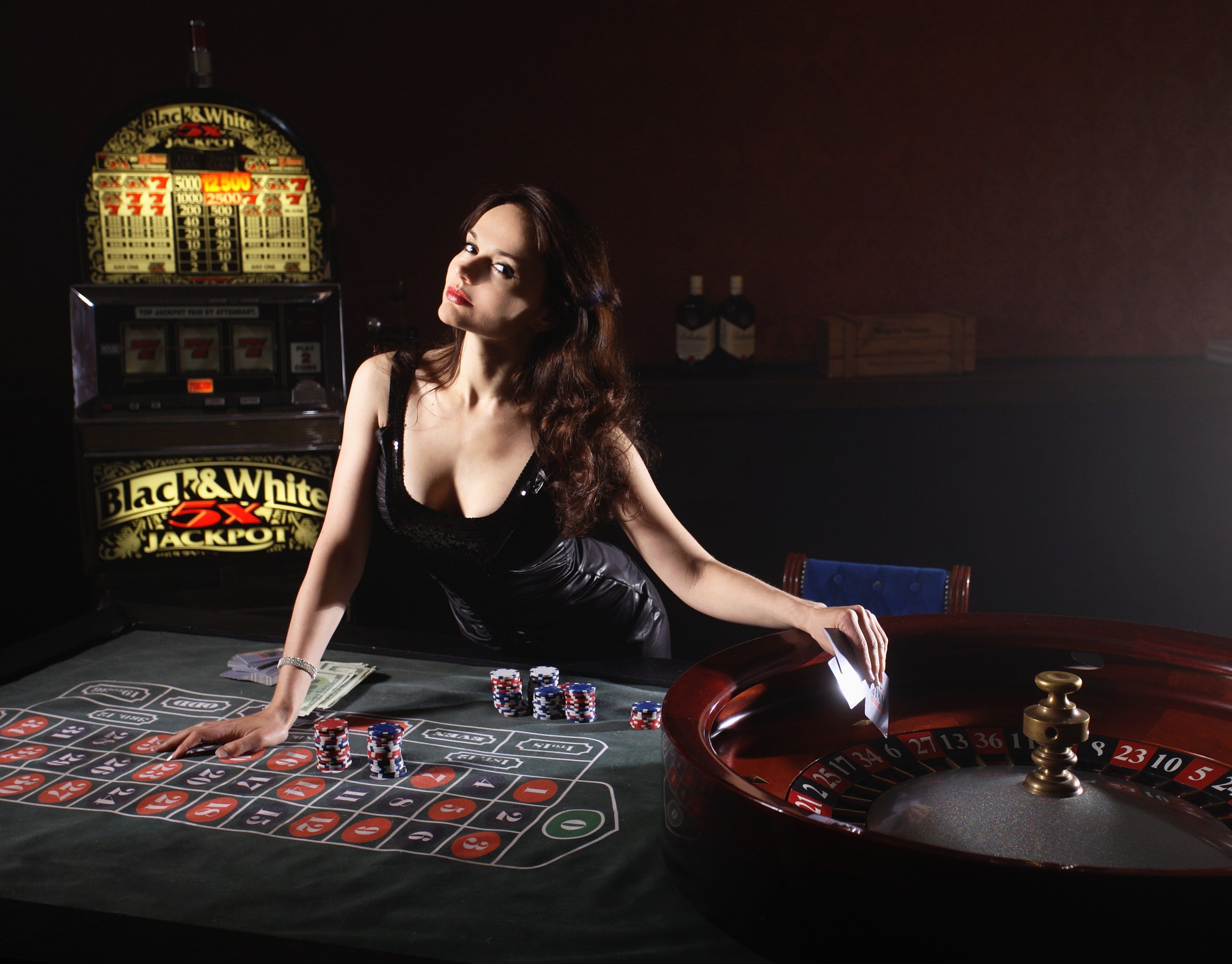
Visual Guide to Online Blackjack Gameplay
Can I get blackjack game house edge?
What is the house edge in blackjack and how does it piece of work?
The house edge in blackjack typically ranges from 0.5% to 2%, depending on the specific rules and your science level. It represents the casino’s average profit from apiece bet over the long term, which is reduced when you apply basic strategy.
How do I utilize basic strategy in blackjack?
Basic strategy is a mathematically optimal set of decisions that tells you when to hit, stand, stunt man downward, or split based on your deal and the dealer’s upcard. Following it can bring down the house edge to less than 1%.
747 live net casino — what to know 2026 | 747 live net casino
What are the most unwashed blackjack variants?
Popular variants include Classic Blackjack, European Blackjack (where the dealer only if gets one hole card until after you play), Atlantic City Blackjack (using eighter decks and late give up), and Double Exposure (both dealer cards are face up).
What is RTP in blackjack and how does it relate to the house edge?
RTP stands for Return to Customer, the pct of all wagered money a game pays back over time. In blackjack, RTP is roughly 99.5% with perfect canonical strategy, while the house edge is the inverse (100% minus RTP).
What is the difference between live dealer blackjack and online RNG blackjack?
Live dealer blackjack uses a real human dealer streamed from a studio, offering an immersive experience with real cards, while online RNG blackjack uses a random number generator for virtual cards, which is faster but less social. Both follow the same rules, but streamed games may have more or less different house edges due to table rules.
Experienced players often recommend casino blackjack game for its fair terms.
How to Recognize Problem Gambling in Blackjack 2026
Gambling is strictly for adults aged 18 and over. All operators featured on this page are licensed by the UK Gambling Commission (UKGC) and adhere to strict responsible gambling standards. If you experience your gambling is becoming a problem, you can use GAMSTOP to self-exclude from all UK-licensed sites. For free, confidential support, contact GamCare or BeGambleAware on the National Gambling Helpline at 0808 8020 133. Always set deposit and time limits before you play, and remember: gambling should be for entertainment, never a way to pretend money or recover losses.